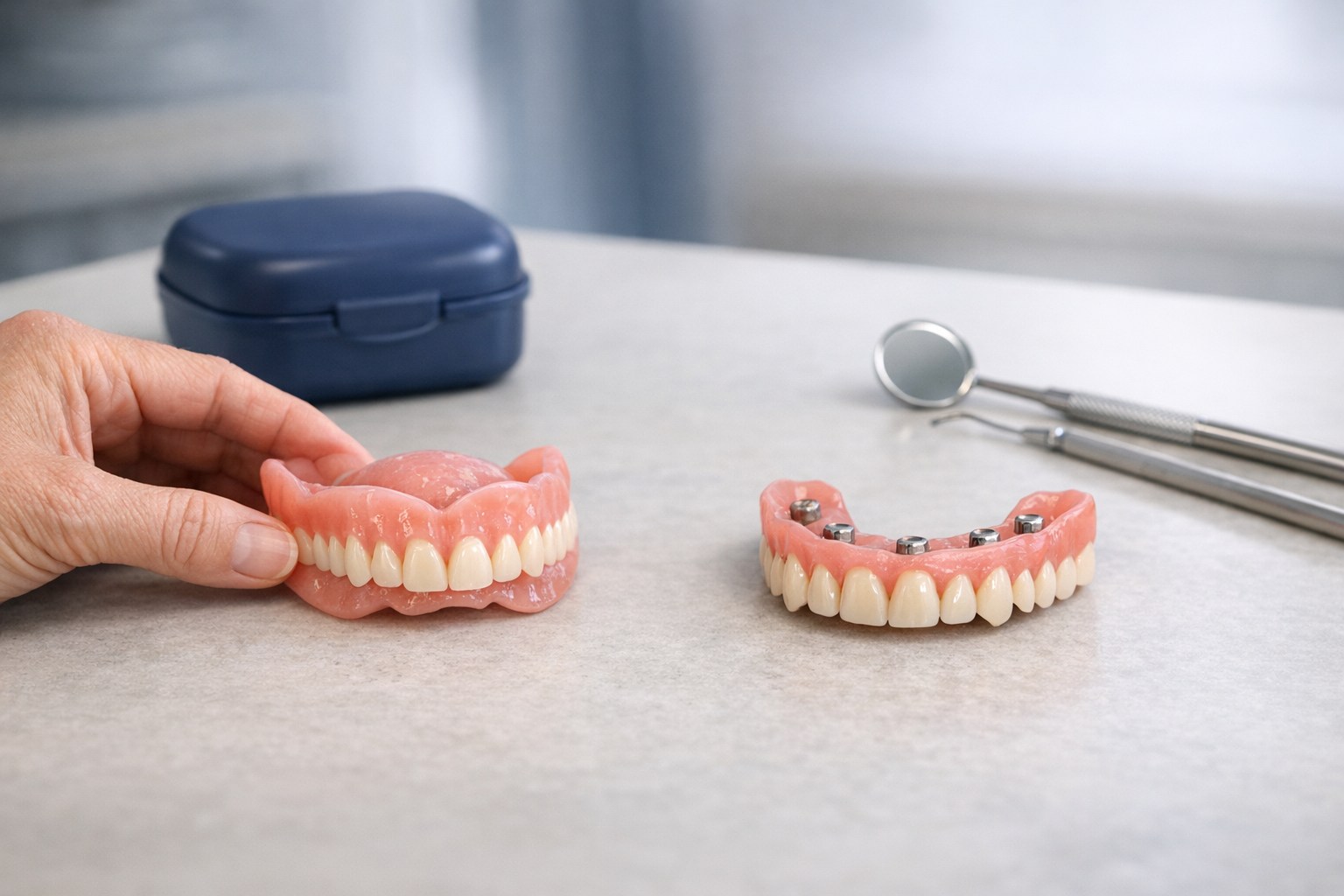
How Long Does It Take to Get Implant-Supported Dentures in Gresham?
There is no single schedule for getting implant-supported dentures in Gresham. If you already have stable implants and only need a denture made or replaced, the process may be more straightforward. If you are starting with new implants, the overall treatment can take longer because planning, any needed preparatory care, implant healing, and coordination with your implant provider may come first. The Denture Studio’s approximately three- to four-week estimate for conventional replacement dentures does not establish the timeline for an implant-supported case.
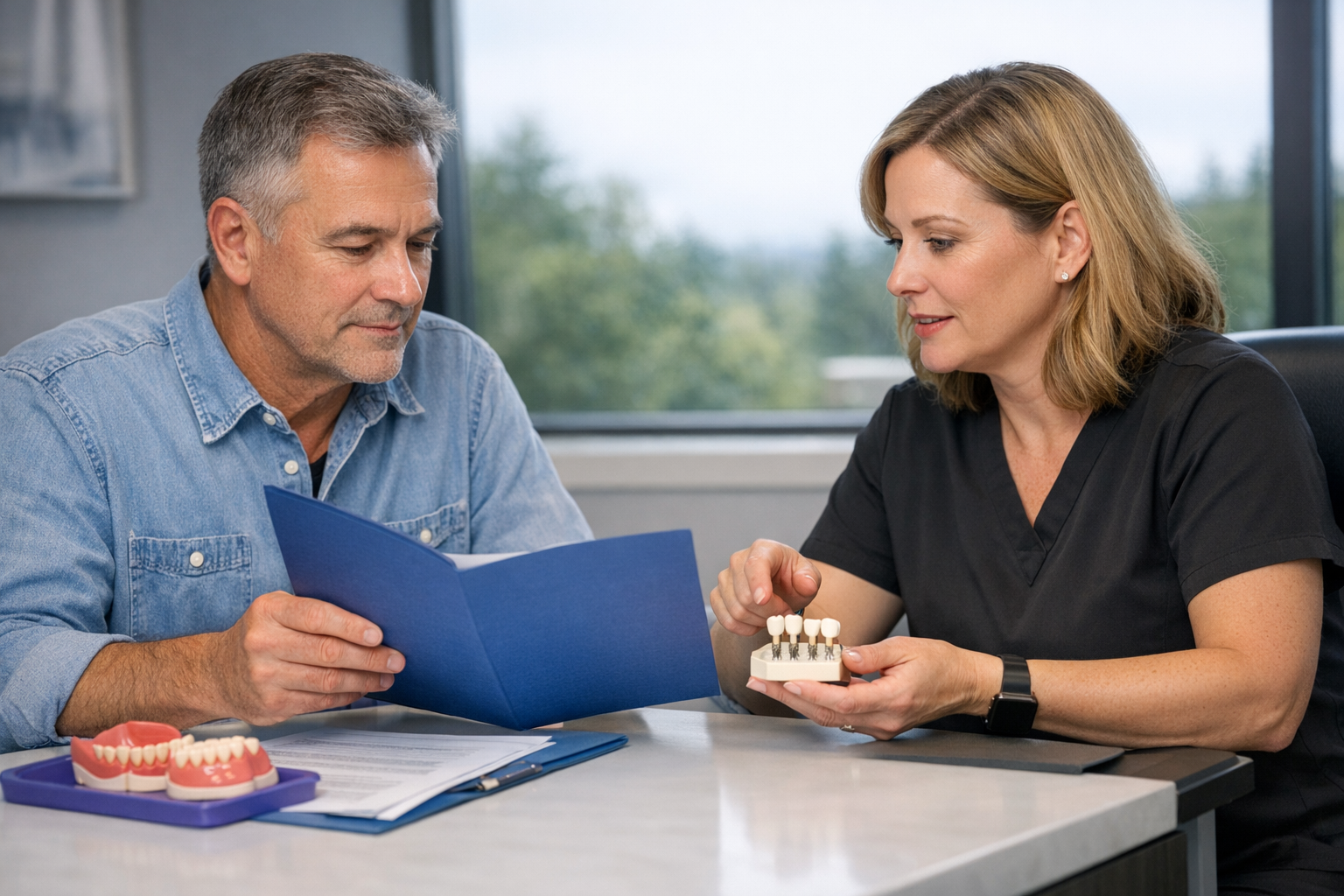
The most useful first step is a consultation that separates the denture work from the implant work. The Denture Studio provides implant-supported and implant-retained dentures, while the dental providers involved in your treatment must evaluate the surgical and health-related parts of implant care. Ask for a written plan showing which steps are complete, which provider handles each stage, and what must happen before your denture can be fabricated.

What Determines the Timeline for Implant-Supported Dentures?
The calendar usually depends less on the phrase “implant-supported denture” and more on where you are starting. Someone with existing implants may need an evaluation, records, a new removable denture, attachment coordination, fitting, and adjustments. Someone considering implants for the first time may need additional planning and a healing period before the final denture can be completed. Your providers can give the most useful estimate after examining your mouth, current denture, implant system, and treatment goals.
Starting with existing implants
If you already have implants, bring any implant records, component information, and your current denture to the consultation. The team may need to confirm the implant locations, condition, attachment system, and whether your current appliance is suitable for replacement, repair, reline, or conversion. A denture that looks usable may still need a new base, different attachment positions, or changes to its bite and fit. These checks can prevent the schedule from being based on assumptions.
Starting with new implant treatment
New implant treatment adds stages that are not part of ordinary denture fabrication. Your implant provider may need to complete an examination, imaging, treatment planning, and any recommended preparatory care before placement. After implant placement, healing and confirmation that the implants are ready for the next stage may also affect the schedule. The exact order and timing belong in the plan from your dental providers; do not treat a general online estimate as a promise for your case.
Why the denture estimate is different
The Denture Studio’s patient information says replacement dentures generally take approximately three to four weeks to fabricate, with about one week between appointments preferred. That information applies to conventional replacement-denture fabrication and should not be added automatically to an implant surgery timeline. Implant-supported cases may require coordination with the implant provider, implant-specific records, attachment components, and additional appointments before the final appliance can be completed.
A Practical Way to Plan Your Gresham Treatment
Instead of asking only, “How many weeks will this take?” ask which stage you are in and what must be completed before the next appointment. This gives you a more realistic picture of the process and helps identify delays before they affect work, travel, or important events. A complimentary consultation with The Denture Studio can help clarify the denture side of the process and the options that may make sense for your situation.

Map the stages before scheduling around them
Ask your providers to identify the expected sequence: initial evaluation, imaging or records, implant planning, preparatory care if needed, implant placement when applicable, healing and review, denture design, try-in or other fit checks, final fabrication, delivery, and adjustments. Not every patient will need every stage, and some appointments may be combined. The key is to know which steps are required in your plan rather than counting from a generic starting date.
Request evidence for each handoff
A useful written plan should say who is responsible for each part of treatment. Ask who evaluates the implants, who performs or coordinates implant treatment, who designs and fabricates the removable denture, who supplies or checks attachment components, and where follow-up adjustments take place. Also ask what information must be transferred between providers. The Denture Studio’s on-site laboratory keeps denture design, fabrication, fitting, adjustments, and repairs closely connected, but the implant provider still needs to address the implant-related portion of care.
Plan for fitting and follow-up, not just delivery
Receiving the denture is not always the final calendar entry. Your plan may include checking the bite, evaluating retention, making adjustments, and learning how to clean the denture and the areas around the implants. Ask how soon follow-up is expected, what happens if the denture feels uncomfortable, and which office handles an attachment or denture problem. If your current appliance is loose or damaged while you wait, the team can evaluate whether a repair, reline, or adjustment is appropriate instead of assuming you must immediately replace it.
Use the consultation to build a realistic date range
Bring your current denture, implant information, relevant appointment dates, and a list of concerns such as movement, discomfort, or difficulty eating. Then ask for the earliest realistic next step, the events that could lengthen the process, and which dates are outside the denture provider’s control. If you are comparing implant-supported and conventional options, the guide to implant-supported dentures versus traditional dentures can help you organize questions about stability, cleaning, cost, and timing before your visit.
A consultation is also the right time to request a written quote and ask which services are included. The Denture Studio does not publish one fixed price or guaranteed timeline for every implant-supported case because the work varies. Before approving treatment, ask whether future relines, repairs, replacement dentures, attachment parts, and maintenance visits are included or billed separately. Once the providers have reviewed your situation, you can make plans based on your actual treatment sequence rather than a guess.
Implant-Supported Denture Timeline Questions
How long do implant-supported dentures take in Gresham?
There is no universal timeline. Cases with existing, stable implants may involve fewer stages than cases beginning with implant placement. The final estimate depends on the evaluation, implant condition, any preparatory care, healing when applicable, denture fabrication, fitting, and follow-up.
Does the three-to-four-week denture estimate apply to implant-supported dentures?
Not automatically. The Denture Studio’s approximately three- to four-week estimate applies to conventional replacement-denture fabrication. Implant-supported cases may require additional implant-related planning, coordination, components, and appointments.
Can I get implant-supported dentures if I already have implants?
Possibly. Bring your current denture and any information about your implants. The Denture Studio can evaluate the denture side of the case, including whether an existing appliance can be repaired, relined, replaced, or designed to work with the implant-retention system.
Who determines whether I am ready for implant treatment?
The dental providers responsible for the implant portion of treatment must evaluate the surgical and health-related aspects, including planning and healing. The Denture Studio can explain the removable denture portion and coordinate information needed for the appliance.
What should I ask about the timeline at my consultation?
Ask which stages you need, who handles each stage, what must be completed before denture fabrication, how healing affects the schedule, when fitting and adjustments occur, and which events could delay delivery. Request the plan and included services in writing.